
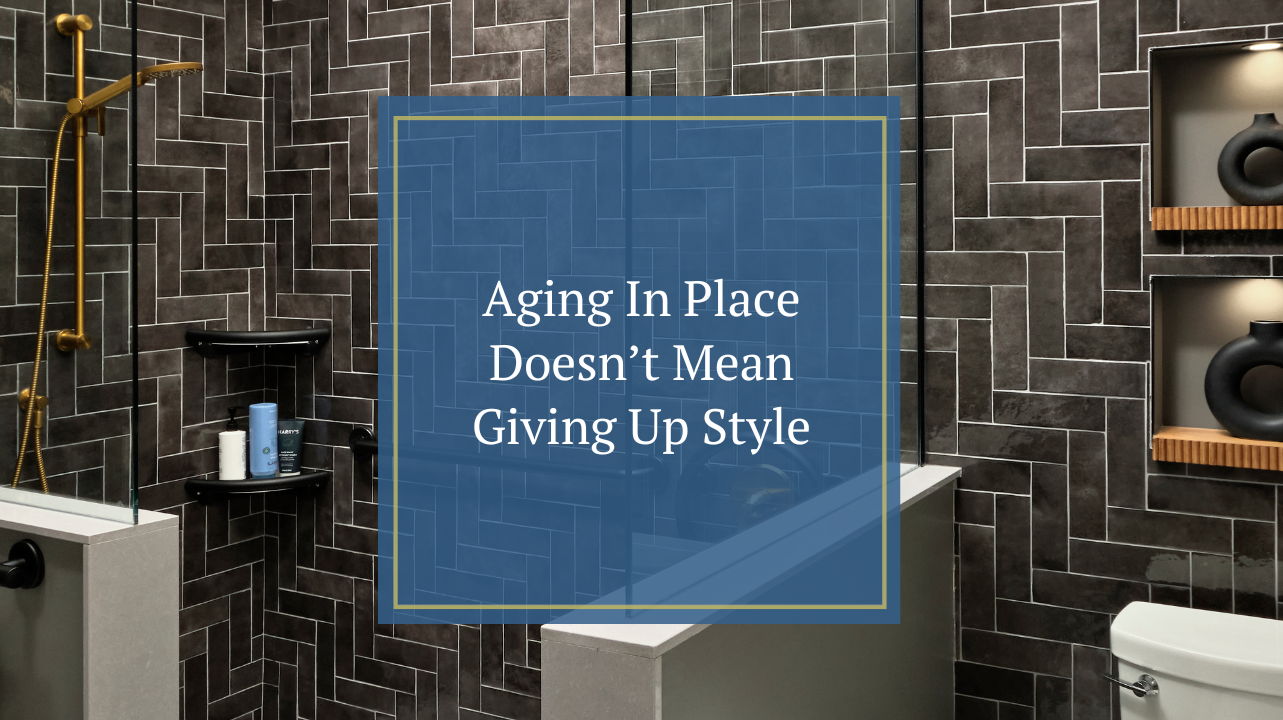
Most homeowners assume accessible design is something to consider later, after an injury, after a diagnosis, or after the stairs start to feel like a daily battle. But the best time to adapt your home is before you need it. Here's the truth: emergency renovations cost more, take longer, and limit your choices.
When you're recovering from an injury or dealing with sudden mobility changes, you don't have time to research options, compare finishes, or wait for specialty items to ship. Decisions happen quickly, often during difficult times, and homes can end up feeling clinical rather than comfortable.
Planning ahead changes everything. You get to choose features that blend beautifully with your style while making life easier for decades. Think curbless showers that look like luxury spas, wider doorways that feel airy and modern, and main floor suites that add value today while supporting accessibility tomorrow.
Here are five signs your home is quietly asking for changes, even if everything feels manageable today.
5 Signs It's Time to Think About Aging in Place Renovations
1. You Avoid Certain Areas of Your Home
If you find yourself using the main floor bathroom more often, avoiding the basement laundry, or thinking twice about the stairs, your home is giving you feedback.
This often starts as convenience, not necessity. Maybe you're carrying baskets, moving groceries, or feeling tired at the end of the day. Over time, "I'll just use the main floor" can quietly become "I can't use the second floor comfortably."
Smart fixes that feel like upgrades:
-
Relocate laundry to the main or second floor
-
Improve stair safety with better lighting, sturdy railings, and high contrast nosing
-
Plan for a future main floor bedroom or flex room conversion
-
Widen key pathways in high traffic areas
These changes are practical now and help prevent rushed decisions later.
2. Getting In and Out of the Shower Feels Risky
Bathrooms are one of the most common places for falls. That tub edge, slick tile, and cramped layout can turn a normal routine into a high stakes moment, especially when you're tired, sick, or rushing.
If you've ever grabbed the towel bar for balance or felt unsteady stepping over the tub, it's time to plan.
Accessible bathroom upgrades that look high end:
-
Curbless showers with a linear drain for a spa look
-
Slip resistant flooring that still feels modern
-
A built in bench that reads "luxury," not "clinical"
-
Handheld shower systems with thermostatic controls
-
Reinforced walls now, so grab bars can be added later without opening drywall
The best accessible bathrooms don't announce themselves. They simply feel better, safer, and more spacious.
 3. Doorways and Hallways Feel Tight
You don't need a wheelchair to feel the pain of narrow doorways. Tight spaces show up in everyday life: carrying laundry baskets, walking side by side, moving furniture, managing a stroller when grandkids visit, or navigating with a cane after a temporary injury.
Future proof layout improvements:
-
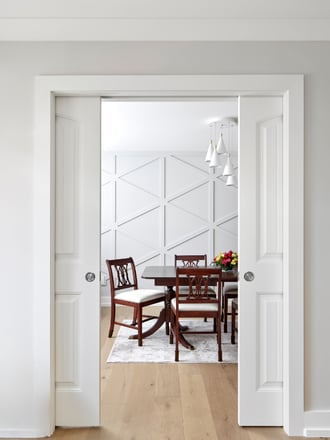
Widen doorways in key areas like bathrooms, bedrooms, and hallways
-
Switch to lever handles for easier use with arthritis or limited grip
-
Replace hinged doors with pocket or barn style doors where appropriate
-
Improve circulation paths for smoother movement
Even small changes to "flow" can have a huge impact, and buyers often perceive it as better design, not accessibility.
4. Everyday Tasks Are Starting to Feel Harder
If bending down to lower cabinets feels uncomfortable, if you dread carrying things from room to room, or if you need a moment to steady yourself after standing, those are important signals.
Sometimes this is age related, sometimes it's chronic pain, sometimes it's just life catching up. Either way, your home can reduce strain or add to it.
Upgrades that make daily life easier:
-
Better lighting in task areas like kitchens and hallways
-
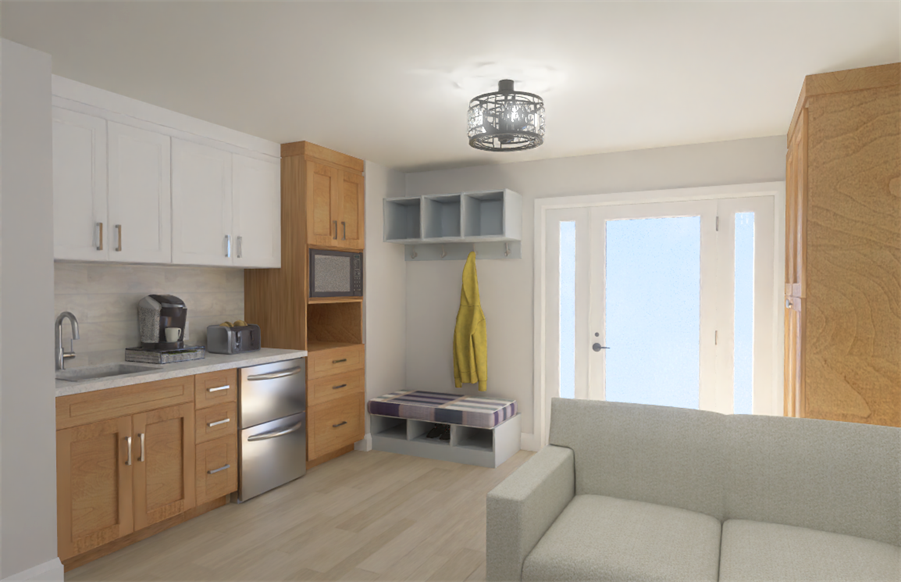
Pull out shelves and drawers instead of deep base cabinets
-
More "landing space" near entrances for bags, boots, and deliveries
-
Smart storage placed at waist height to reduce reaching and bending
-
Non slip surfaces at entries, plus improved drainage to reduce ice risk
- Pull-down shelves in upper cabinets reduce reaching strain
Aging in place design is about removing friction from daily routines. Less strain today means more energy for what you actually enjoy.
5. You're Planning a Renovation Anyway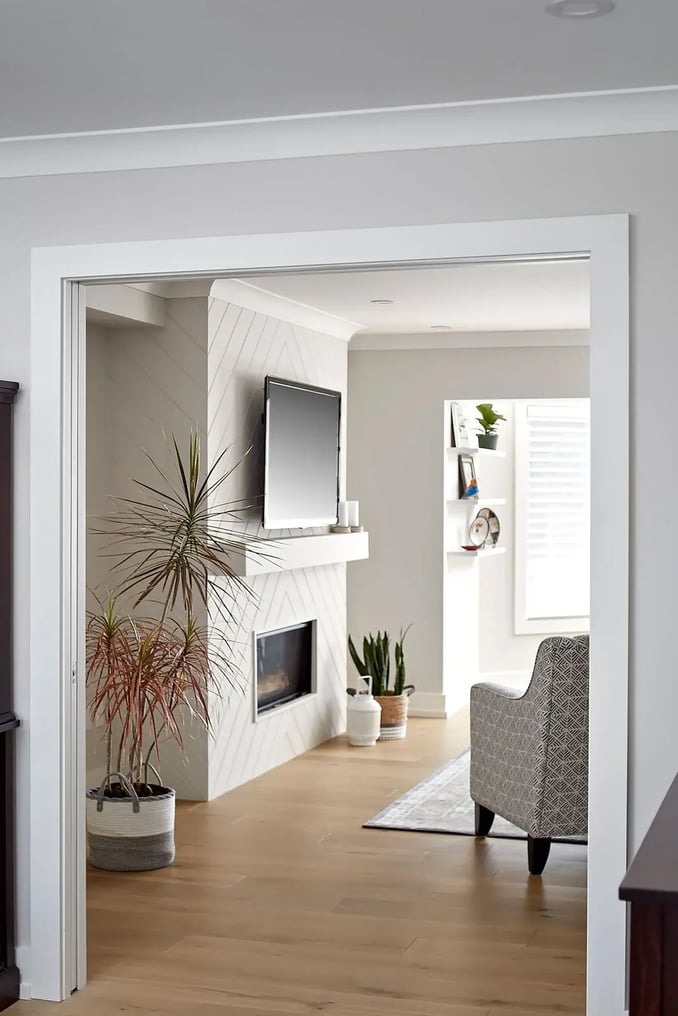
If you're already thinking about renovating a kitchen, bathroom, or main floor layout, that's your perfect opportunity to future proof. Doing accessibility upgrades as
part of a planned project is almost always more cost effective than doing them separately later.
High impact features to include during a planned renovation:
-
A main floor powder room designed so it can be expanded later
-
A main floor flex room that can convert into a bedroom
-
Blocking in bathroom walls for future grab bars
-
Wider openings and fewer level changes between rooms
-
Kitchen planning that considers clearance, reach range, and safe workflow
When accessibility is integrated from the start, it enhances the design rather than compromising it.
Why Planning Ahead Saves Money and Stress
Emergency renovations are expensive because they come with pressure. You may need the project completed fast, which limits contractor availability and increases costs. You may not have time to wait for specific finishes, which means settling. You may need temporary accommodation, which adds another expense.
Planning in advance gives you:
-
More choice in materials, layouts, and timelines
-
Better pricing because you can schedule strategically
-
A design you actually love, not just something that works
-
A safer home that supports independence long term
It's not about expecting the worst. It's about building a home that adapts with you.
FAQs About Aging in Place Renovations
What are aging in place renovations?
Aging in place renovations are home improvements that make it easier and safer to live at home through changing mobility, strength, balance, or health needs. They can be subtle, like better lighting and lever handles, or more comprehensive, like a curbless shower or a main floor suite.
Do accessible upgrades hurt resale value?
In many cases, they help. Features like open layouts, wider doorways, and curbless showers are widely seen as premium and modern. When done thoughtfully, accessibility looks like better design.
What's the first upgrade I should prioritize?
Bathrooms are often the top priority because they carry a higher fall risk. After that, look at entries, stairs, lighting, and a main floor plan that can support future needs.
How much do aging in place renovations cost?
Costs vary widely depending on scope, finishes, and whether changes are integrated into an existing renovation. A few strategic upgrades can be affordable, while full main floor transformations cost more. The best starting point is an assessment and a thoughtful plan.
Can I plan out the whole home before starting?
Absolutely. In fact, we encourage it. Even if you're renovating in phases, having a complete home assessment and long-term plan helps ensure each phase works toward your bigger goals. We can map out priority areas, identify what makes sense now versus later, and make sure early decisions don't limit future options. This approach keeps your entire home cohesive and prevents costly do-overs down the road.
Can I do this in phases?
Yes, and that's often the smartest approach. Many homeowners start with a bathroom upgrade, then improve entries, then address layout changes, and later plan a main floor suite if needed. Working with an occupational therapist or aging-in-place specialist can help assess which areas are most difficult or should be prioritized. A phased plan keeps decisions intentional and budget friendly.
What is Universal Design?
Universal Design is a design approach that makes spaces usable for as many people as possible, without calling attention to accessibility features. It's the "beautiful and functional" side of aging in place design, and it benefits everyone.
Ready to Future Proof Your Home?
If you're avoiding stairs, feeling uneasy in the shower, struggling with tight doorways, noticing daily tasks feel harder, or planning a renovation anyway, those are clear signs it's time to think about aging in place renovations.
The goal isn't to turn your home into a hospital. The goal is to create a space that feels beautiful, modern, and effortless to live in, now and in the future.
As the only Qualified Adaptiv Home Specialist in Markham, Ontario, Canada, and with nearly 20 years of experience, Master Edge Homes specializes in accessible design that doesn't look accessible. We help homeowners across the Greater Toronto Area create spaces that support independence, enhance daily comfort, and blend seamlessly with your style.
Future proofing isn't a fear based decision. It's a smart homeowner decision.
Contact Master Edge Homes today to discuss how we can help you create a home that works beautifully at every stage of life.
Related Articles
.jpg)
Home Design Trends You'll Love This Year
Over the last several decades, you have probably seen a lot of home design trends come and go....
%20(1).jpg)
8 Expert Tips on Hiring the Right Contractor for Your Home Renovation
A General Contractor (GC) takes full responsibility for ensuring a renovation or custom home build...
The Ultimate Smart Home Features Guide for Your Markham Renovation
It’s time to get real about getting smart. Smart technology is an inevitable progression of...